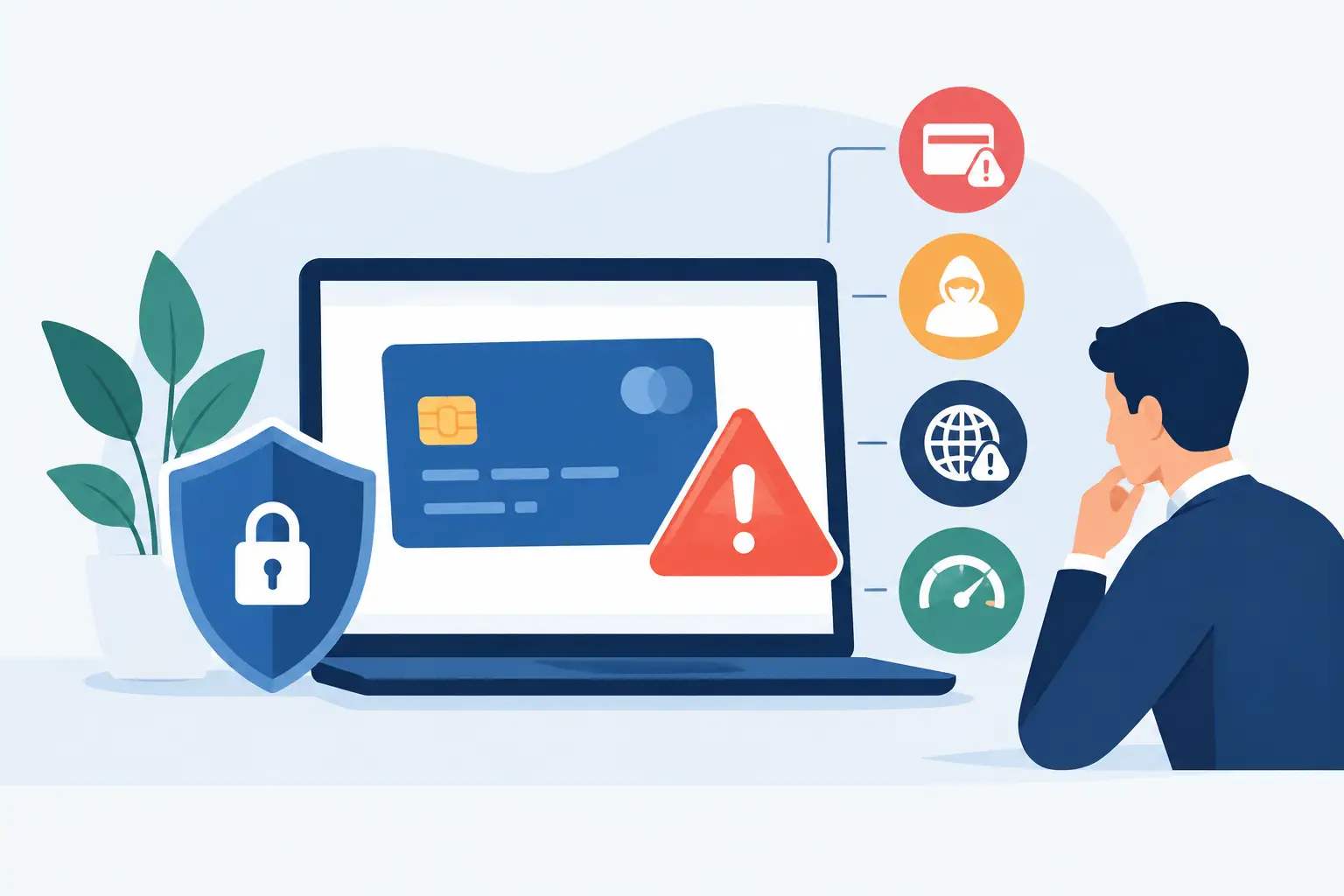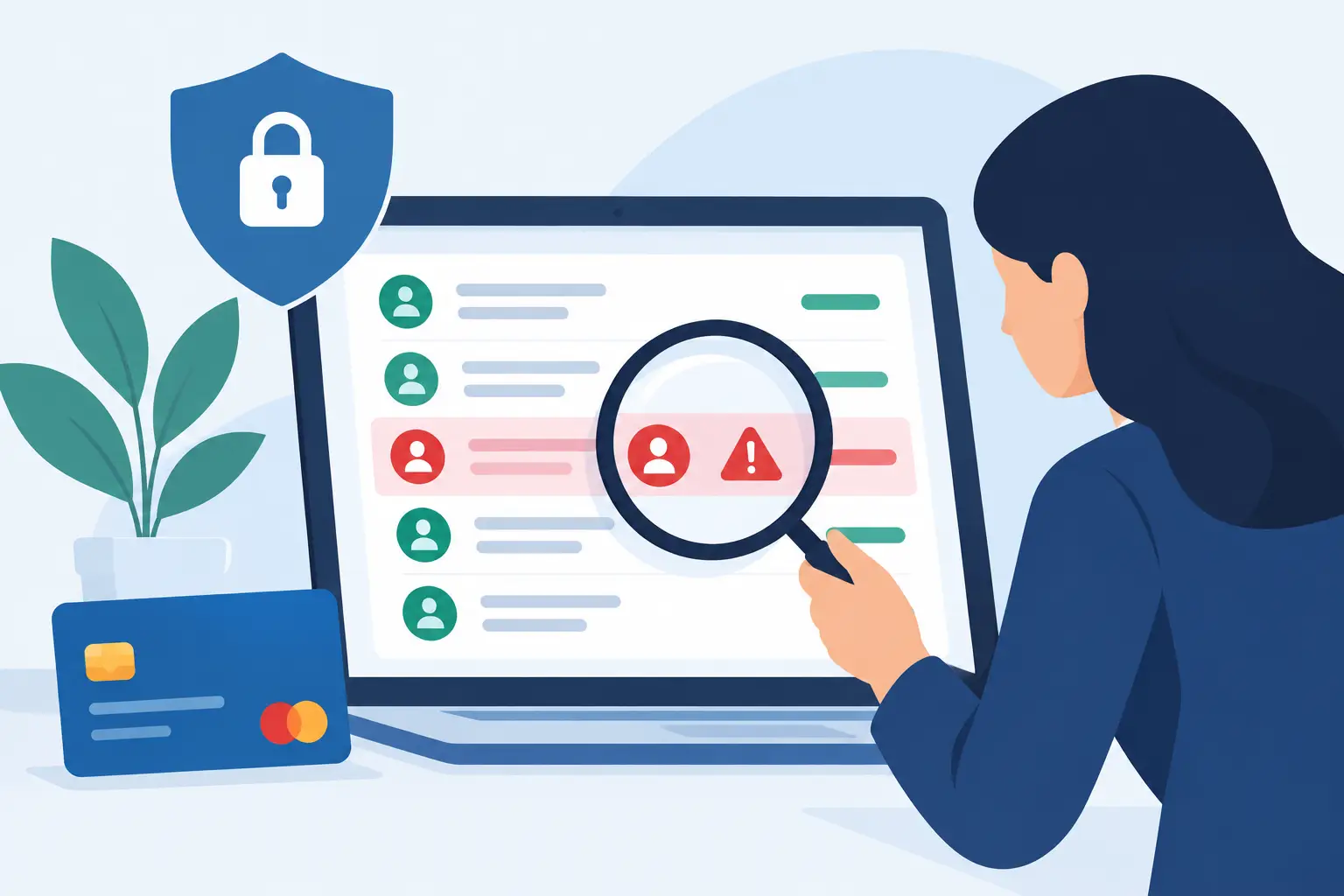
A third party monitoring software review should begin where onboarding due diligence stops. A merchant, supplier or strategic partner may pass screening on day one, then change its ownership, processing profile, financial position or customer proposition months later. For regulated payment firms, that gap is where manageable exposure becomes a card-scheme breach, AML concern, consumer-harm issue or reputational event.
The question is not whether a platform can collect data. Most can. The question is whether it gives risk teams continuous, credible visibility over the events that matter, directs investigations to the right cases and creates defensible evidence that oversight is active rather than periodic.
Why a third party monitoring software review needs operational context
A standard vendor assessment often concentrates on onboarding checks: sanctions and PEP screening, company records, beneficial ownership, credit data and adverse media. Those controls remain essential, but they are a point-in-time view of an organisation that can change quickly.
A merchant may show a sudden rise in chargebacks, a sharp shift in transaction values or processing volumes inconsistent with its declared business. A supplier can enter financial distress. A partner website may begin promoting prohibited products, omit required disclosures or make misleading claims. None of these conditions is reliably identified by an annual refresh.
This is why a meaningful review must assess how well software connects changing signals to a clear risk decision. A tool that produces more alerts without context can increase operational burden. A tool that identifies material deviations, prioritises them by risk and preserves a traceable response gives compliance and operational leaders control.
The appropriate model depends on the portfolio. A bank managing a smaller population of high-value outsourcing providers will need deep corporate, financial and operational intelligence. An acquirer overseeing thousands of merchants will also need volumetric payment monitoring, merchant behaviour analytics and website-compliance checks at scale. The strongest platforms accommodate both the portfolio’s risk profile and the team responsible for acting on alerts.
The criteria that matter in a third party monitoring software review
Signal quality matters more than data volume
Review the underlying signals before comparing dashboards. A broad range of data sources sounds persuasive, but coverage only has value when it reveals an actionable change. Look for intelligence that combines corporate and ownership events, sanctions and AML indicators, adverse media, credit intelligence, fraud signals, payment behaviour and online content.
For merchant portfolios, volumetric data deserves particular scrutiny. The platform should detect deviations in transaction count, value, refund rates, chargebacks and processing patterns, then assess whether the movement is expected for that merchant category and business model. A seasonal retailer and a digital subscription business should not be judged against the same baseline.
Ask how the provider handles entity resolution, data freshness and false positives. A poorly matched adverse-media record or stale company filing wastes analyst time and weakens confidence in the wider monitoring programme. Risk teams need to understand what triggered an alert and the confidence attached to it.
Continuous monitoring must mean more than scheduled rescreening
Some providers describe monthly or daily batch updates as continuous monitoring. That may be adequate for low-risk records, but it does not provide early detection of material payment, ownership or web-content changes.
Clarify the frequency of each data source and each monitoring type. Real-time transaction and behavioural signals should be handled differently from corporate registry updates, which are only available when the registry changes. The requirement is not identical timing for every signal. It is a monitoring model that captures each meaningful event as soon as practical and makes that event visible to the right team.
The platform should also retain a clear history. When an ownership transfer, processing spike or adverse-media event is detected, investigators need to see the previous profile, the changed condition, the review undertaken and the outcome. That context turns an alert into evidence.
Workflows determine whether alerts lead to action
An alerting engine is not an operating model. During a review, examine how the software supports triage, assignment, escalation and closure. It should allow teams to route higher-risk issues to the appropriate compliance, financial-crime, underwriting or merchant-risk specialist without losing accountability.
Configurable rules are particularly important. A payment firm may treat a rising refund rate as a standard review trigger for one merchant category and an urgent escalation trigger for another. Similarly, a website issue involving a missing legal disclosure may need remediation, while prohibited gambling content or misleading financial claims could require immediate restriction or offboarding.
Look for case records that capture analyst notes, evidence, decisions and approvals. The system should prevent alerts from disappearing into an inbox and make overdue actions visible to management. Automation should reduce repetitive manual work, not obscure the judgement behind a risk decision.
Audit evidence should be available on demand
Regulators, card schemes and internal assurance functions do not merely ask whether monitoring exists. They ask whether it was effective, proportionate and consistently applied. A platform should make it straightforward to demonstrate who reviewed a case, when they acted, what information they considered and why the decision was reasonable.
Test reporting in the product, rather than accepting a product demonstration at face value. Can a team produce a portfolio-level view of open high-risk alerts, ageing cases and recurring risk themes? Can it retrieve the complete record for a single merchant or supplier? Can it show that monitoring continued after onboarding and that remediation was followed through?
Fast, clear reporting reduces the pressure of an audit or incident response. More importantly, it helps senior leaders see where risk is accumulating before it reaches an external reviewer.
Test the platform against real risk scenarios
A practical evaluation should use anonymised portfolio cases rather than generic feature checklists. Ask suppliers to show how their platform would detect, prioritise and document action on scenarios that mirror your operating environment. Useful tests include:
- A merchant whose processing volume and average transaction value rise sharply over a short period.
- A beneficial owner who changes shortly after onboarding and appears in new adverse media.
- A merchant website that begins advertising prohibited products or removes mandatory customer disclosures.
- A supplier whose deteriorating credit position creates a potential operational continuity issue.
These examples reveal whether data arrives quickly enough, whether risk logic is appropriately calibrated and whether analysts can reach a defensible decision without exporting information into disconnected spreadsheets. They also expose a common weakness: systems that identify individual events but cannot connect several moderate signals into a meaningful risk pattern.
Balance configurability with control
Highly configurable software can reflect a firm’s own risk appetite, merchant categories and escalation policies. However, unrestricted configuration can create inconsistent rules, weak governance and difficult change management. The best approach gives authorised users flexibility while retaining rule versioning, approval controls and a record of why thresholds changed.
Equally, avoid assuming that a broad third-party risk platform will automatically meet payment-specific needs. Generic solutions may be effective for supplier questionnaires and periodic assessments, yet provide limited visibility into transaction anomalies, merchant behaviour or website compliance. Conversely, a specialist platform may need to integrate with wider governance, risk and compliance systems. The right choice depends on the gaps that create the greatest exposure.
KYP, for example, is designed around always-on, multi-signal intelligence for regulated portfolios, combining volumetric monitoring with corporate, financial-crime and website-compliance indicators. For acquirers and payment service providers, that combination can make post-onboarding oversight more targeted and materially reduce manual review effort.
Questions to ask before selecting a provider
Procurement teams should require direct answers to a small set of operational questions. Which signals are monitored continuously, and how quickly are material changes surfaced? How are alerts scored, deduplicated and prioritised? What evidence is retained for each investigation? Can workflows reflect different risk tiers and ownership structures? How does the platform identify website-content and consumer-protection concerns? Finally, what implementation support is available to calibrate the system against the existing portfolio?
The supplier’s answers should be supported by a working demonstration using realistic cases and by a clear explanation of data provenance. If a provider cannot explain why an alert was generated, a regulated firm will struggle to defend the action it takes – or fails to take.
The most useful monitoring platform is not the one with the longest feature list. It is the one that gives your team earlier sight of changing exposure, a disciplined route from alert to action and evidence that stands up when scrutiny arrives.